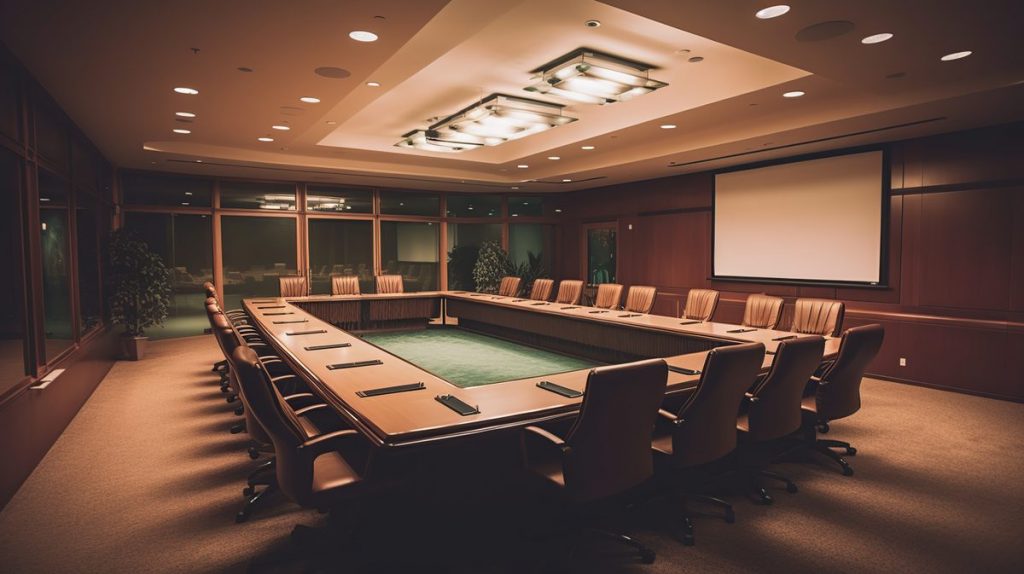
In housing societies, projects rarely fail because the idea is bad.

Waterproofing is needed. Solar makes financial sense. Structural repairs are overdue.
And yet, decisions stall. Projects get delayed. Costs rise. Buildings deteriorate.
The real reason is not resistance to improvement. It is poor financial framing.
When decisions are framed incorrectly, even sensible projects appear risky, expensive, or unnecessary. Committees hesitate, members resist, and inaction quietly sets in.
Over time, that inaction becomes one of the most expensive choices a society makes.
Inaction Rarely Looks Like Neglect
Committee inaction does not look irresponsible on the surface.
It sounds reasonable: “Let’s wait for one more quotation”. “This is too expensive right now”
“Members won’t agree”, “We’ll take it up next year”. These pauses feel cautious. Neutral. Even prudent. But buildings do not pause deterioration while committees deliberate.
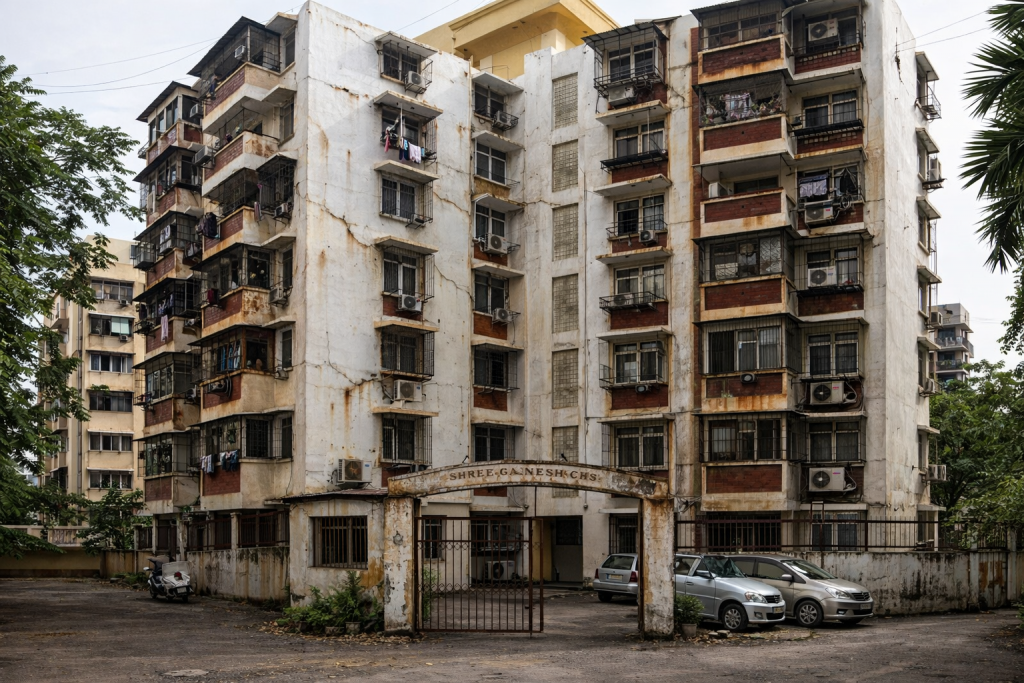
What starts as delay slowly becomes compounded financial and structural damage.
The Core Problem: Short-Term Cost Framing
Most housing societies frame decisions in terms of immediate cash outflow. A typical discussion sounds like: “This waterproofing will cost ₹10 lakhs now. “Rarely does the conversation shift to: “This will prevent ₹30 to 40 lakhs of structural damage over the next 10 to 20 years. “When decisions are framed only as short-term expenses: Members focus on current maintenance burden, Committees fear backlash, Long term savings become invisible The result is predictable: good projects are rejected or indefinitely postponed.
Expense Framing Triggers Resistance
Language matters more than committees realise. When a proposal is labelled as an “expense”, it activates loss aversion: Money is seen as gone forever, There is no perceived return, Emotional resistance increases
For example: “Solar installation will cost ₹50,000 per flat. ”This framing immediately triggers discomfort. Compare that with: “This will save ₹4 to 5 lakhs per flat over 25 years, with protection against rising electricity costs. ”The project is the same.
The decision outcome is completely different. Poor framing converts asset protection into perceived loss and leads directly to inaction.
How Inaction Becomes Financially Expensive
Committee inaction carries costs that do not show up in the current year’s budget.
1. Deferred Maintenance Multiplies Costs :
Small issues ignored today: Become emergencies tomorrow, Require larger scopes later,
Reduce negotiation power. A ₹2 lakh preventive repair delay can easily become a ₹20 lakh corrective project.
2. Emergency Work Is Always Costlier
Delayed decisions force societies into: Monsoon repairs, Single-vendor situations,
Premium pricing, Compromised quality, Planned work is economical. Emergency work is punitive.
3. Asset Value Erodes Quietly
Repeated cosmetic fixes without preventive intervention: Reduce resale appeal,
Weaken redevelopment feasibility, Increase disputes during redevelopment negotiations.
Inaction slowly erodes the society’s balance sheet even if it is not recorded anywhere.
Why Committees Struggle With Financial Framing
Most Managing Committees are volunteers, not finance or infrastructure professionals.
They struggle because: Long term value is hard to quantify, Risks of inaction are not visible,
Numbers are presented without context, Technical advice is fragmented, Without structured support, committees default to the safest looking option: do nothing.
Ironically, that is often the riskiest path.
Investment Framing Changes Everything
Well-governed societies frame decisions differently.
They ask: What is the lifecycle cost of this decision? What risk does inaction carry?
How does this protect the building’s future? What does delay actually cost us?
For example: Structural repairs are framed as asset life extension, not expense,
Solar projects are framed as inflation hedges, not costs, Waterproofing is framed as risk elimination, not painting. When value is made visible, resistance drops.
The Invisible Cost: Governance Fatigue
Committee inaction does not reduce workload. It increases it. Unresolved issues lead to: Repeated complaints, escalating member frustration, Accusations of bias or incompetence, Burnout among committee members. Paralysis creates more noise than action.
How BlockPilot Looks at Committee Inaction
At BlockPilot, we work across legal, civil, plumbing, MEP, compliance, and redevelopment related decisions. What we see consistently is this: societies do not fail due to lack of intent they fail due to lack of decision clarity.
Inaction usually stems from: Poor financial framing, Invisible long-term risk,
Fragmented technical inputs, Fear of member resistance.
Our role is not to push decisions. It is to help societies frame decisions correctly, with: Long-term financial context, Risk visibility, Execution clarity, Structured follow through

Good governance is not about speed. It is about timely, informed action.
Moving from Inaction to Informed Consent
Societies do not need unanimous enthusiasm. They need informed agreement.
Practical steps: Present lifecycle cost, not just upfront cost, Quantify the cost of delay,
Separate expense from investment clearly, Use phased execution without diluting scope,
Communicate decisions with data, not emotion, When context improves, consent follows.
Final Thought
In housing societies, the most expensive decision is often the one not taken. Poor financial framing makes sensible projects look risky. Inaction then compounds costs, damages assets, and weakens governance. When committees shift from short-term cost thinking to long-term value framing, resistance reduces and decisions move forward. That shift from hesitation to informed action is where strong societies are built. And that is where better decisions, backed by structured execution, make all the difference.