Why residential societies need to become sustainable (and how to start)
Housing societies in Mumbai and across India face a rapidly evolving landscape of urban regulations, rising utility costs, and growing resident expectations. Sustainability is no longer optional; it is a governance imperative. Committees, secretaries, and chairpersons are expected not only to manage daily operations but also to plan for long-term environmental, financial, and social resilience. Eco 360 is a focused initiative designed to help societies assess whether they are truly future-ready. Through practical, data-driven insights, this webinar equips decision-makers with the knowledge to implement sustainable practices that reduce costs, ensure compliance, and enhance asset value without creating operational burden.
The Rising Imperative for Sustainability
Municipal and state regulations increasingly hold societies accountable for environmental compliance. Under the Solid Waste Management (SWM) Rules, 2016, societies can face penalties of up to ₹10,000 per day for non-compliance with waste segregation, storage, and disposal norms. Sustainability is no longer just an ethical concern; it is a legal and financial risk. Non-compliant societies risk fines, reputational damage, and reduced appeal to buyers and tenants. At the same time, sustainable practices deliver tangible benefits such as energy savings, water conservation, reduced dependence on municipal resources, and improved living standards.
Key Benefits of a Sustainable Society
Eco 360 focuses on actionable sustainability areas that directly impact compliance, costs, and long-term asset value.
1. Legal Compliance
Municipal and state-level regulations require societies to follow formal environmental protocols. Non-compliance can lead to fines, legal scrutiny, and administrative challenges. Implementing structured systems for waste management, energy efficiency, and water conservation protects societies from penalties while creating a cleaner, healthier environment for residents.
2. Cost Savings
Sustainability initiatives also reduce operating costs. Energy-efficient measures such as LED lighting, solar pumps, and smart meters can lower electricity bills by 10–30%. Water management initiatives like rainwater harvesting and optimised plumbing reduce municipal dependency and water expenses. Monitoring consumption, identifying leaks, and encouraging responsible usage further enhance savings, freeing funds for maintenance, amenities, and capital improvements.
3. Self-Sufficiency
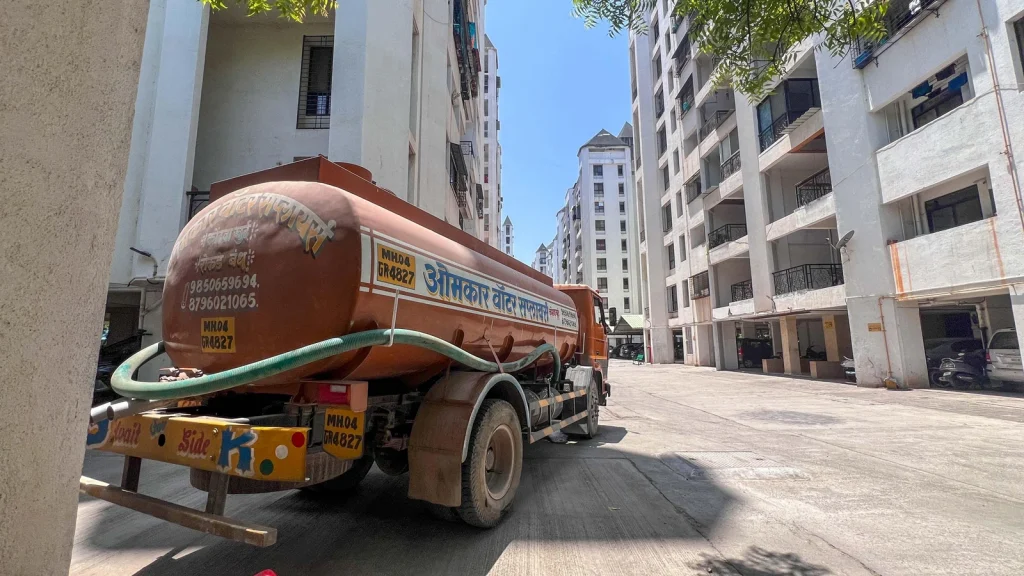
Urban water shortages are an increasing reality, with many Mumbai localities facing supply cuts of 15–20%. By integrating solar energy, rainwater harvesting, and efficient storage systems, societies can reduce reliance on municipal supplies and ensure uninterrupted services. Self-sufficiency strengthens resilience, not just cost efficiency, in urban living.
4. Asset Value Enhancement
Sustainability directly impacts property value as buyers and tenants increasingly prioritise eco-friendly features. Societies that invest in green initiatives demonstrate forward-thinking governance, command higher resale values, attract premium tenants, and improve long-term asset planning. These investments are strategic enhancements rather than expenses.
Expert Insights: Who You Will Learn From
Eco 360 brings together global and local expertise. Fabian, a global sustainability and circular economy expert, shares practical frameworks for creating financially and regulatorily aligned sustainability roadmaps. BlockPilot enables integrated, data-driven society operations through digitised workflows and measurable execution. BP Sustainability focuses on delivering quantifiable green outcomes by tracking energy, water, and waste reduction and linking them to cost savings. Together, the panel ensures strategies are realistic, actionable, and suited to Mumbai’s urban context.
Making Sustainability Actionable
Many societies struggle to convert sustainability principles into daily operations due to limited awareness, budget constraints, fragmented data, and difficulty selecting the right vendors and technologies. Eco 360 addresses these challenges through a structured approach, assessing current gaps, prioritising high-impact initiatives, planning and executing projects systematically, measuring outcomes, and communicating progress to residents. This shifts sustainability from reactive compliance to proactive strategy.
Case in Point: Cost and Compliance Integration
A mid-sized Mumbai society, facing rising energy costs and water shortages, implemented solar power and smart water management. Within six months, electricity bills reduced by 25%, municipal water dependence dropped by 17%, compliance with SWM Rules 2016 was achieved, and resident satisfaction improved through uninterrupted services. With the right tools and guidance, similar results are achievable across societies.
Why Committees Should Attend Eco 360
Eco 360 functions as a practical toolkit for committee decision-makers. Participants gain clarity on legal and financial sustainability imperatives, actionable cost-reduction strategies, technology-enabled management tools, and methods to integrate sustainability into long-term asset planning. It enables committees to move beyond fragmented initiatives toward a coherent, future-ready governance approach.
How BlockPilot Makes a Difference
BlockPilot.co ensures sustainability initiatives are executed effectively through centralised tracking of energy, water, and waste metrics, access to verified green infrastructure vendors, structured project management with timelines and alerts, compliance-ready reporting, and data-driven decision-making tools. This allows committees to plan budgets, evaluate ROI, and govern proactively rather than reactively.
Closing Thoughts
Sustainability is no longer a luxury it is an operational necessity for urban housing societies. From avoiding penalties to reducing costs, improving self-sufficiency, and enhancing asset value, the case for future-ready societies is clear. Eco 360 equips committees with expert insights, practical frameworks, and execution tools to implement change systematically and measure results. With guidance from Fabian, BlockPilot, and BP Sustainability, societies gain a clear roadmap to becoming resilient, sustainable communities.
Date: 22 February 2026
Time: 11 am–12 noon
REGISTER NOW
Because in housing societies, sustainability is not just about compliance, it is about securing a smarter, safer, and more cost-effective future for residents.