
Most housing societies prepare annual budgets with great care. Maintenance collections are reviewed, operating expenses are estimated, and immediate repair requirements are discussed. However, many societies overlook another category of financial exposure that rarely appears in annual budgets and future liabilities. Aging infrastructure, major repairs, lift modernisation, waterproofing, fire safety upgrades, redevelopment preparation, and statutory compliance all represent costs that may not require immediate payment but are almost certain to arise over time.
The challenge is not that these liabilities are unknown. The challenge is that they are often postponed until they become unavoidable. A financially stable housing society is not one that simply manages today’s expenses. It is one that prepares for tomorrow’s obligations before they become financial emergencies.
What are future liabilities in a housing society?
Future liabilities are expenses that a housing society is likely to incur over time, even if they are not immediately payable. These include ageing infrastructure, major repairs, equipment replacement, statutory compliance, redevelopment preparation, and long-term asset renewal. Identifying these costs early helps societies improve financial planning and reduce future financial stress.
1. Future Liabilities Exist Even Before They Appear in the Budget
Many housing societies assume a financial obligation begins only when an invoice is received. In reality, future liabilities start developing much earlier. Lifts gradually approach the end of their service life, plumbing systems deteriorate, waterproofing weakens, electrical infrastructure ages, and external façades require periodic restoration. These costs may not appear in this year’s budget, but they continue moving closer every year. Before preparing the annual budget, every committee should ask:
• Which major building assets will require replacement within the next five to ten years?
• Are reserve and sinking funds sufficient for these future expenses?
• Have aging infrastructure components been professionally assessed?
• Are upcoming statutory upgrades already identified?
• Are future liabilities discussed alongside annual expenses?
Ignoring predictable future costs does not eliminate them. It only delays financial preparation.
2. Deferred Planning Creates Hidden Financial Exposure
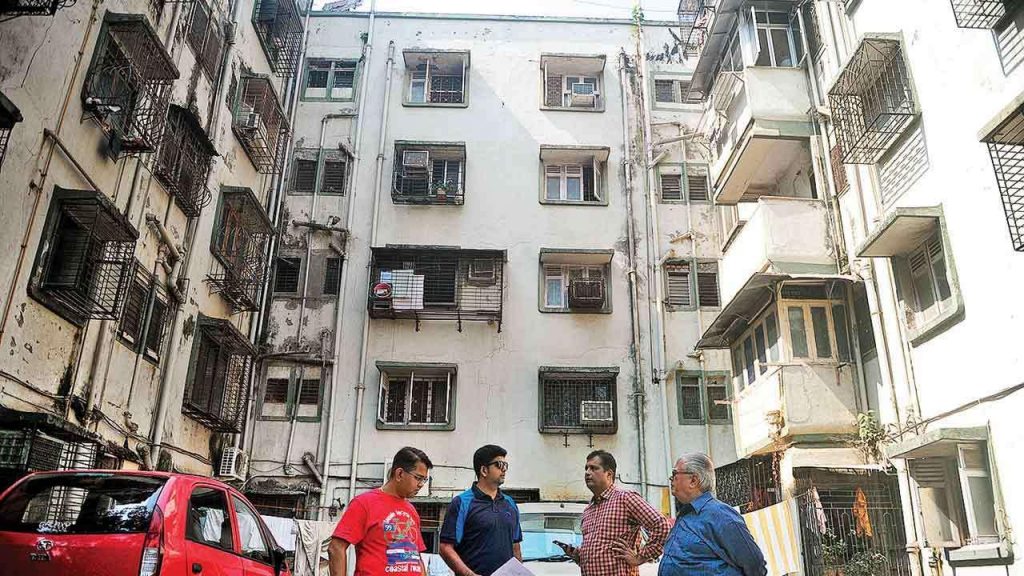
One of the biggest financial risks for housing societies is not overspending but underplanning. When future liabilities are ignored, committees often respond through emergency collections, special levies, or delayed repairs once failures occur. For example, postponing waterproofing may eventually require structural repairs. Delaying lift modernisation may result in higher repair costs and operational disruptions. Ignoring plumbing replacement can lead to repeated leakages, resident complaints, and expensive emergency work. Planning allows societies to spread costs over several years instead of facing sudden financial pressure when infrastructure eventually fails.
3. Reserve Funds Should Reflect Future Obligations
Reserve funds are often viewed as financial security, but their adequacy depends on future liabilities rather than current bank balances. A society may have healthy reserves today while still being financially unprepared for major capital expenditure expected over the next decade. Committees should periodically review whether reserve planning considers:
• Building age and condition
• Major repair cycles
• Equipment replacement schedules
• Structural rehabilitation requirements
• Future compliance obligations
Reserve planning should support long-term asset management rather than simply maintaining a comfortable bank balance.

4. Better Asset Planning Leads to Better Financial Decisions
Every housing society manages physical assets that have predictable life cycles. Lifts, pumps, electrical systems, plumbing networks, waterproofing, façades, fire safety systems, and common area infrastructure all require periodic renewal. Maintaining an updated asset register, recording installation dates, tracking maintenance history, and conducting periodic condition assessments help committees estimate future expenditure with greater accuracy. When asset information is organised and regularly reviewed, financial planning becomes proactive rather than reactive. Instead of responding to failures, committees can schedule upgrades, obtain competitive quotations, and allocate funds gradually.
5. Long-Term Planning Strengthens Governance
The strongest housing societies are not necessarily those with the largest reserve funds. They are the ones that understand their future liabilities and prepare for them systematically. Long-term planning creates confidence among residents, reduces unexpected financial burdens, and improves transparency during committee decision-making.
Before Planning Future Budgets, Ask These Five Questions
• What major repairs are likely over the next five to ten years?
• Are reserve and sinking funds aligned with future liabilities?
• Which infrastructure assets are nearing the end of their useful life?
• Have condition assessments been completed for critical building systems?
• Are future committees being left with adequate documentation and financial preparedness?
Planning for future liabilities is not about predicting every expense. It is about recognising foreseeable obligations before they become financial crises.

Conclusion
Housing societies rarely face financial stress because unexpected costs arise. More often, they struggle because predictable future liabilities were never included in long-term planning. Buildings continue ageing regardless of annual budgets, and infrastructure does not wait for convenient financial conditions. Managing future liabilities requires more than healthy bank balances. It requires structured asset management, realistic reserve planning, regular technical assessments, and proactive governance. Housing societies that prepare today for tomorrow’s obligations are better positioned to protect their finances, maintain their infrastructure, and avoid sudden financial shocks.
The difference between financial stability and financial resilience is simple. Stable societies manage today’s expenses. Resilient societies prepare for tomorrow’s liabilities.
#HousingSocietyManagement #FinancialPlanning #ReserveFunds #AssetManagement #SocietyGovernance #BlockPilot