
1. The first step before talking to builders
In Mumbai and other dense Indian cities, redevelopment has become less of a choice and more of an inevitability. Ageing buildings, rising maintenance costs, changing safety norms, and higher development potential are pushing thousands of housing societies toward redevelopment discussions. Yet, in many societies, the redevelopment journey begins at the wrong place. Committees start by calling builders. Offers are compared. Promises are debated. Emotions run high. Members argue about extra area, corpus, and timelines—often without any shared understanding of what is actually possible on their land. This is where most redevelopment processes go off track. Before speaking to any developer, before inviting proposals, and before raising expectations among members, every society needs one critical document: a redevelopment feasibility report. This report is not a formality. It is the foundation on which every future decision rests.
2. What a Feasibility Report Really Is

At its core, a redevelopment feasibility report is a financial and technical calculation of your land’s development potential. It examines: Plot size and configuration. Applicable Development Control Regulations (DCR). Permissible FSI, including base FSI, fungible FSI, and TDR. Setbacks, height restrictions, reservations, and access. Redevelopment costs versus sale potential. In simple terms, it answers one crucial question: What can realistically be built on this plot, and what value can it generate? This is not guesswork or builder optimism. It is math, regulation, and market reality combined. Without this clarity, societies operate in the dark—relying on assumptions, hearsay, or aggressive promises that may never materialise.
3. Why Every Society Needs a Feasibility Report
Many committees ask, “Can’t the builder do this calculation?” Technically, yes. Practically, no society should rely on a party whose commercial interest is directly tied to the outcome. A feasibility report prepared independently allows the society to: Understand the true potential of its land. Separate realistic outcomes from marketing claims. Align member expectations early. Avoid disputes later in the process. Most importantly, it puts the society in control. Redevelopment is not just a construction exercise. It is one of the largest financial decisions a housing society will ever make. Entering negotiations without understanding land value is like signing a contract without reading it.
4. Knowing What Your Land Is Actually Worth
In redevelopment conversations, “worth” is often reduced to: Extra carpet area per flat. One-time corpus. Temporary rent. But these are outputs, not the starting point. The real value lies in: How much saleable area the project can generate. What it costs to build compliant, safe structures. What margin remains after statutory charges, premiums, and taxes. Only when this equation is clear can a society judge whether an offer is generous, average, or unrealistic. Without a feasibility report, committees often compare offers against each other rather than against reality. This leads to inflated expectations and, eventually, stalled or failed redevelopment efforts.
5. Negotiation Without Numbers Is Not Negotiation
Many societies believe negotiation begins once multiple builders submit proposals. In truth, negotiation begins much earlier—with data. If a society does not know: Maximum achievable FSI. Likely construction cost range. Expected revenue from sale component. …it has no negotiating leverage. Builders who sense this imbalance often control the narrative. Terms are framed as “industry standard” or “non-negotiable,” and committees struggle to challenge them. A feasibility report changes this dynamic. When committees understand the math, discussions become grounded. Questions become sharper. Proposals are evaluated for feasibility, not just attractiveness. Negotiation becomes informed, not emotional.
6. Setting Realistic Expectations for Members
One of the biggest risks in redevelopment is over-promising. Committees, often unintentionally, communicate optimistic figures to members based on early builder conversations. When reality catches up—due to approvals, costs, or market changes—trust erodes. A feasibility report allows committees to: Present data-backed expectations. Explain trade-offs transparently. Build consensus before inviting developers. This upfront clarity significantly reduces internal conflict later. Members may not always like the numbers, but they respect honesty backed by logic.
7. Understanding What Is Feasible—Not Just Attractive
Every society wants: Maximum extra area. High corpus. Fast completion. But these goals often compete with each other. A feasibility report clarifies what combinations are realistic: How much additional area is viable without compromising safety. What level of corpus can be supported by project economics. How timelines are impacted by height, approvals, and complexity. This helps committees make conscious choices instead of chasing everything at once.
8. The Role of the PMC: Why Sequence Matters
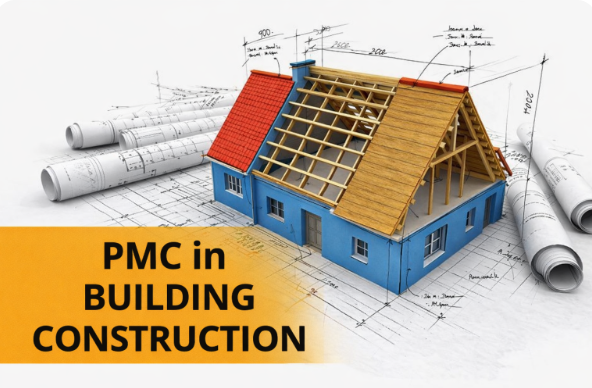
One of the most common mistakes societies make is appointing a builder before appointing a Project Management Consultant (PMC). A PMC’s role is to represent the society’s interests—not the builder’s. This includes: Interpreting feasibility outcomes. Preparing fair and clear RFPs. Evaluating proposals beyond headline numbers. Supporting negotiations and agreement structuring. Engaging a PMC early ensures that the feasibility report is used correctly—as a decision tool, not a shelf document. Builder selection should come after the society understands its own position, not before.
9. Why Feasibility Alone Is Not Enough
While a feasibility report is essential, its value depends on how it is used. Many societies commission reports but struggle to: Translate findings into clear decisions. Compare multiple scenarios. Maintain continuity as committee members change. Track how feasibility assumptions align with final agreements. This is where decision-support platforms add significant value.
10. How BlockPilot Supports the Right Start to Redevelopment
BlockPilot is designed to help housing societies structure their redevelopment journey from the very first step. In the context of feasibility, BlockPilot helps societies: Organise feasibility data in decision-ready formats. Link feasibility assumptions to proposal comparisons. Maintain transparency for committees and members. Ensure early decisions align with long-term execution. Instead of feasibility remaining a static report, BlockPilot helps make it a living reference point throughout the redevelopment process. The focus is not on selling outcomes, but on enabling better decisions and cleaner execution—from feasibility to completion.
11. Starting Correctly Saves Years Later

Redevelopment projects fail rarely because of bad intentions. They fail because of poor foundations—unclear expectations, weak data, and rushed decisions. A feasibility report is the first safeguard against this. It helps societies: Understand their true potential. Negotiate from strength. Choose partners wisely. Reduce future disputes. Starting redevelopment without feasibility is like starting construction without drawings. You may move fast initially, but the cost of correction later is enormous.
12. Conclusion: Before Builders, Before Promises—Do the Math
For housing societies considering redevelopment, the message is simple: pause before you proceed. Before calling builders. Before discussing offers. Before raising hopes. Invest time in understanding your land, your regulations, and your financial reality. A well-prepared feasibility report does not slow redevelopment—it prevents derailment. BlockPilot exists to support societies at exactly this stage: helping them start correctly, decide confidently, and execute responsibly. Because in redevelopment, the quality of your first step determines the stability of everything that follows.