
We check so you don’t have to
For housing societies, selecting vendors for repairs, maintenance, or redevelopment is rarely straightforward. Committees, secretaries, and chairpersons are constantly under pressure to make the “right” choice while balancing cost, quality, and accountability. A misstep can result in delays, cost overruns, or even legal complications. That is why structured vendor vetting is not optional; it is essential.BlockPilot.co provides societies with a systematic approach to assess vendors, ensuring decisions are informed, defensible, and execution-ready. Below is a comprehensive guide to the key aspects of vendor vetting that every committee should follow.

1. Legal compliance: GST registration and PAN verification
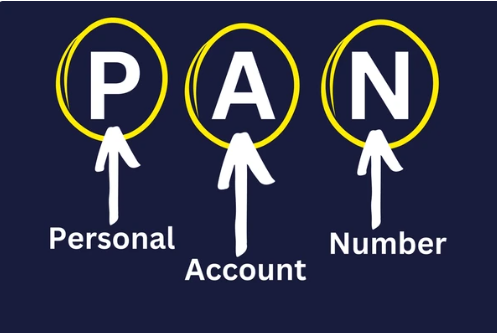
The first step in evaluating a vendor is confirming legal compliance. This may seem basic, but many committees overlook it in the rush to finalise quotations. A valid GST registration confirms that the vendor is legally recognised and can issue proper invoices. This is not just a formality it ensures the society can claim applicable tax credits and protects against post-service disputes. PAN verification ensures accountability for taxation and corporate responsibility. It also safeguards society from engaging vendors who may be operating informally. Neglecting these checks exposes society to financial and regulatory risks. BlockPilot’s vendor vetting system automatically flags missing or invalid documents, giving committees confidence that all shortlisted vendors are legally compliant.

2. Financial stability: turnover and capacity checks
Legal compliance alone is not enough. Financial stability determines whether a vendor can execute the project without delays or compromises. Turnover checks help confirm that the vendor has sufficient financial backing to handle a project of the society’s scale. Beyond turnover, capacity assessment is equally critical. Workforce strength, equipment availability, and project management capability must align with the scope of work. Financially weak vendors may quote aggressively low prices to secure contracts, only to struggle later, leading to stoppages, material substitutions, or repeated variations. BlockPilot standardises financial data and presents it through easy-to-compare dashboards, highlighting vendors who are realistically capable of delivering.
3. Technical credentials: licences and certifications
Every category of work electrical systems, lift maintenance, fire safety, structural repairs, or façade works, requires specialised licenses and technical certifications. Committees often rely on vendor claims without verification, exposing societies to substandard execution and regulatory non-compliance. It is essential to verify that vendors hold valid certifications specific to the work they propose and can demonstrate experience with a similar scope and complexity. BlockPilot simplifies this process by storing and tracking license validity and technical credentials, ensuring that only qualified vendors move forward. This reduces the likelihood of legal complications, safety issues, and project delays.
4. Track record: past projects and litigation checks
A vendor’s past performance is one of the most reliable indicators of future outcomes. Committees frequently depend on personal recommendations, which may be biased or outdated. Reviewing documented project history provides a more objective assessment. Project completion records reveal timelines, scale, and quality consistency. Repeated delays or recurring defects are warning signs. Litigation checks are equally important. A pattern of disputes with clients or subcontractors signals elevated risk. BlockPilot consolidates project history and available legal records into a structured view, allowing committees to base decisions on evidence rather than anecdotes.

5. Social proof: real feedback from other societies
Even with strong legal, financial, and technical credentials, peer feedback provides a crucial reality check. Input from other societies reveals how vendors behave during execution communication quality, responsiveness, problem-solving ability, and adherence to commitments. Verified feedback helps committees avoid surprises and hidden costs. BlockPilot collects structured reviews and ratings from multiple societies, offering a balanced and credible picture. When social proof is combined with objective data, evaluation becomes both comprehensive and practical.
6. Mitigating risk: hire with confidence
When legal compliance, financial stability, technical credentials, track record, and social proof are evaluated together, societies create a strong risk management framework. Skipping steps or relying on incomplete checks often leads to project delays, escalating costs, member dissatisfaction, reputational damage, and legal complications. BlockPilot consolidates all relevant information into a single dashboard, allowing committees to compare vendors side by side. This structured approach ensures decisions are transparent, defensible, and aligned with good governance principles.
7. Best Practices for Managing Committees
Committees should avoid rushing decisions and allow sufficient time to review all vetting data. Personal relationships or urgency should never override due diligence. Evaluation criteria must be standardised so that all vendors are assessed on the same parameters. Maintaining digital records of documents, approvals, and communications is essential for continuity and legal protection. Involving professional platforms like BlockPilot early in the process brings structure, expertise, and consistency into vendor selection. These practices reduce disputes, improve execution outcomes, and optimise long-term costs.
8. Conclusion: beyond price to value
Committees often focus on the lowest quote or familiar names, but effective vendor selection is far more nuanced. Legal compliance, financial strength, technical capability, historical performance, and peer feedback all matter. Ignoring any one of these elements can have long-term consequences.BlockPilot.co empowers societies to make informed, transparent, and defensible choices. By systematically vetting vendors, committees can focus on governance and oversight instead of firefighting execution problems. Hiring with confidence is not just about engaging a vendor; it is about securing peace of mind, protecting member interests, and ensuring society projects are completed correctly, on time, and within budget.