
Most housing society committees take pride in visible upkeep. Fresh paint, clean lobbies, upgraded amenities. Yet when disputes arise, or redevelopment begins, the real gaps emerge not in the building, but in missing or inconsistent documents. Across urban India, housing society accounting mistakes and society audit issues often originate from weak documentation systems, not poor intent.
What documents must a housing society maintain to avoid audit and governance issues?
A housing society must maintain its registration certificate, bye-laws, conveyance deed, approved plans, occupancy certificate, membership records, meeting minutes, financial statements, audit reports, land records, and compliance documents. Proper documentation helps prevent accounting errors in housing societies in India and supports smooth redevelopment and governance.
1. Why Documentation Is Governance, Not Administration
Many housing society committees treat documents as clerical records handled by a secretary or manager. In reality, documentation defines authority, control, and legal standing. Without proper records, a society cannot prove ownership, validate decisions, or defend its position in disputes.
A common pattern seen is that societies search for documents only when a problem arises. By then, inconsistencies surface. Missing files, unsigned records, and outdated registers weaken governance and delay decisions. Strong housing societies maintain documents proactively. This reduces society audit issues and ensures clarity in operations. Governance is not built during crises. It is built through consistent documentation practices.
2. Registration Certificate and Bye Laws
The registration certificate establishes the legal identity of a housing society. Along with this, the registered bye-laws define governance structure, member rights, and committee powers. Yet many societies operate without actively referring to these documents.
This creates informal decision-making and increases the risk of non-compliance. When disputes arise, committees struggle to justify actions taken outside the framework of the bylaws. Clear alignment with these foundational documents ensures that governance remains structured and legally defensible.
3. Conveyance or Deemed Conveyance
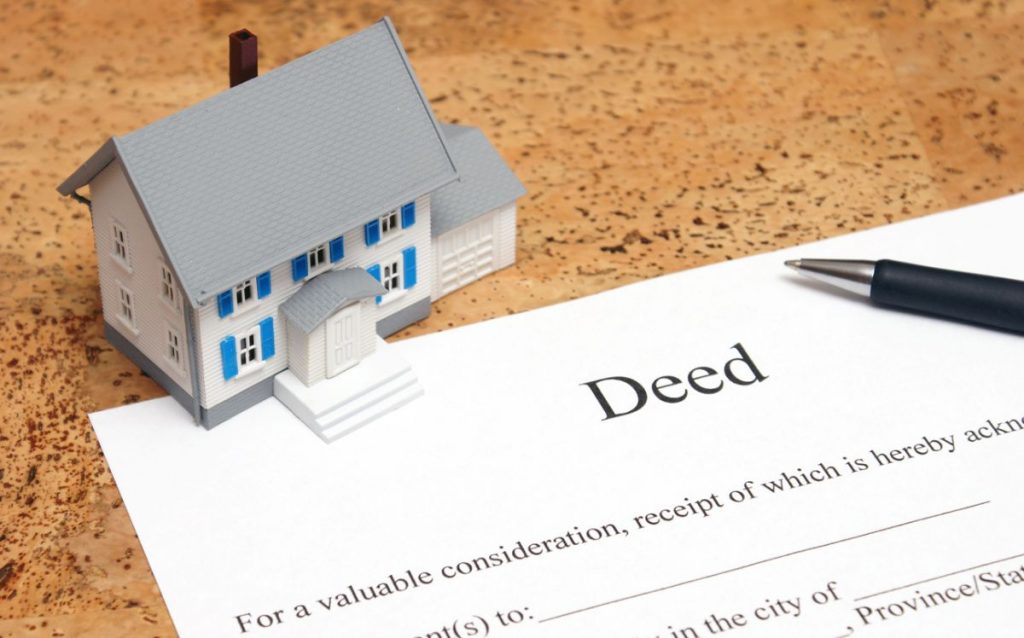
One of the most critical gaps in many housing societies is the absence of conveyance. Without a conveyance deed or deemed conveyance, ownership of land remains unclear. This directly impacts redevelopment potential and negotiation strength.
Many societies realise this only when redevelopment discussions begin. At that stage, delays become inevitable. Proper conveyance documentation strengthens legal ownership and enables smoother redevelopment processes. It also improves the society’s position when dealing with developers and financial institutions.
4. Approved Plans and Occupancy Certificate
Approved building plans and occupancy certificates confirm that the building complies with municipal regulations. These documents are essential for structural audits, compliance checks, and redevelopment feasibility.
Missing or inconsistent approvals create long-term risks. During redevelopment, discrepancies in plans can delay approvals and increase costs. Housing societies that maintain updated and verified plans avoid such complications and ensure smoother project execution.
5. Membership and Share Registers
Membership registers and share certificate records define who the legal members are. Errors in these documents lead to disputes during voting, ownership transfers, and redevelopment consent collection.
Many housing societies discover mismatches only when approvals are required. This creates confusion and delays. Maintaining accurate and updated registers is essential for internal governance and transparency. It also reduces the risk of accounting errors in housing societies in India by ensuring financial records align with member data.

6. Minutes of AGM and Committee Meetings
Meeting minutes are legal records, not summaries. They document decisions, approvals, and discussions. During audits or disputes, these records become critical references.
However, many housing societies maintain incomplete or unsigned minutes. This weakens their legal position and increases society audit issues. Properly recorded and signed minutes ensure that every decision is traceable and defensible.
7. Financial Records and Audit Reports
Financial documents such as balance sheets, income and expenditure statements, and audit reports reflect the financial health of a housing society. Yet many societies treat accounting as routine data entry.
This approach leads to housing society accounting mistakes such as incorrect classifications, missing supporting documents, and delayed reconciliations. These gaps result in audit observations and compliance risks. Structured financial documentation helps avoid audit problems in societies and builds credibility during redevelopment and inspections.
8. Land Records and Property Extracts
Land records such as property cards or 7 by 12 extracts establish ownership clarity. These must align with conveyance and municipal records. Any mismatch creates complications during redevelopment or financing.
Many housing societies overlook periodic verification of these records. Over time, discrepancies emerge, affecting long-term decision-making. Clear and consistent land records are essential for strong governance and the smooth execution of major projects.
9. Compliance and Technical Documents
Compliance documents such as structural audit reports, fire NOCs, insurance policies, and vendor agreements reflect operational readiness. These are often maintained inconsistently across housing societies.
During inspections or redevelopment, missing compliance records signal weak governance. This can lead to penalties or delays. Maintaining updated technical documents ensures that the society is always prepared for scrutiny and reduces operational risks.
10. What Happens When Documents Are Missing
Missing documents do not create immediate disruption, which is why they are often ignored. However, their impact becomes visible during critical situations. Redevelopment gets delayed due to incomplete records. Legal disputes arise due to unclear documentation. Financial inconsistencies lead to audit observations.
These outcomes are not accidental. They are direct consequences of weak documentation systems. Housing societies that ignore documentation eventually face higher costs and operational challenges.
11. How Well-Run Societies Audit Their Documents
Proactive housing societies periodically review their documents. They verify conveyance status, update membership records, and ensure compliance documents are current. They also maintain structured archives for easy access.
This approach reduces housing society accounting mistakes and helps avoid audit problems in societies. Documentation audits are treated as preventive governance, not reactive correction. This shift improves decision-making and operational efficiency.
12. The BlockPilot Perspective
At BlockPilot, we consistently observe that governance challenges in a housing society often originate from documentation gaps created years earlier. Redevelopment delays, financial disputes, and legal notices frequently trace back to incomplete records.
BlockPilot focuses on converting fragmented documentation into structured systems. By aligning legal, financial, and technical records, societies gain clarity and control. This enables better governance and faster execution of decisions.
13. GST Compliance Is Now a Real Risk
GST compliance is becoming a major concern for housing societies. Many assume they are not liable, but gaps in billing and documentation often lead to scrutiny. Poor record-keeping increases the risk of penalties and backdated liabilities.
GST is not just a tax issue. It is a governance issue. Housing societies with structured documentation systems are better equipped to handle compliance and avoid financial risks.
Conclusion
The real weakness in a housing society is not visible infrastructure, but invisible documentation gaps. Buildings can be repaired, but missing records create long-term governance challenges. Housing society accounting mistakes, society audit issues, and redevelopment delays often stem from the same root cause.
The issue is not a lack of effort. It is a lack of structure, clarity, and control. Housing societies that invest in proper documentation build stronger governance systems and make better decisions. Those that do not continue to face recurring challenges with increasing complexity and cost.
#HousingSociety #Governance #BlockPilot