
Why repainting your building is far more than choosing a color
For most housing societies, repainting is treated as a routine, almost cosmetic exercise. Committees debate shades, compare quotations, negotiate rates—and once work begins, they hope for the best. Yet, across Indian cities—especially in Mumbai—painting projects frequently become sources of conflict, disappointment, and unexpected expense. Paint peels within a few years. Cracks reappear. Members complain that the building looks uneven. Vendors blame weather, surface conditions, or previous contractors. Committees are left answering uncomfortable questions.
The uncomfortable truth is this: a successful painting project has very little to do with color selection. Painting is a technical, multi-stage asset-protection exercise. When even one stage is skipped or rushed, the entire investment loses value. Based on on-ground experience across ageing housing stock, the most reliable outcomes come from following five clearly defined stages. Understanding these stages helps Managing Committees move from “getting the job done” to doing it correctly and defensibly.
A proper surface evaluation identifies areas requiring plaster repair versus cosmetic filling, locations where waterproofing is required before painting, structural cracks that need engineering attention, and surfaces that require complete removal of old coatings. Skipping this stage often leads to the biggest waste of money. Paint begins to peel within two to three monsoons, and societies are forced into premature repainting—sometimes with blame unfairly placed on contractors. Good committees insist on diagnosing the surface before approving the solution.
Stage 1: Surface evaluation the foundation most societies ignore
Before any quotation is finalized or any paint brand is discussed, the most critical question must be answered: what is the health of the building’s plaster? Many societies unknowingly paint over hollow plaster, damp patches, hairline and structural cracks, carbonation-affected concrete, and previous coating failures. Painting over weak plaster is not maintenance—it is concealment. No matter how premium the paint, it will fail if the substrate is compromised.
A proper surface evaluation identifies areas requiring plaster repair versus cosmetic filling, locations where waterproofing is required before painting, structural cracks that need engineering attention, and surfaces that require complete removal of old coatings. Skipping this stage often leads to the biggest waste of money. Paint begins to peel within two to three monsoons, and societies are forced into premature repainting—sometimes with blame unfairly placed on contractors. Good committees insist on diagnosing the surface before approving the solution.
Stage 2: Accurate measurement and disciplined bidding
One of the most common weaknesses in society painting projects is inaccurate or inconsistent measurement. Different vendors often quote on different carpet areas, different external elevations, or lump-sum assumptions with no breakup. When measurements are unclear, price comparisons become meaningless. One contractor may appear cheaper simply because they have under-measured the scope.
Accurate measurement creates transparency for the General Body, prevents disputes and variation claims later, and ensures all vendors are bidding on the same quantum of work. Equally important is sealed, standardized bidding. Every contractor must quote against the same scope, surface condition assumptions, and material specifications. Without this discipline, committees are not comparing vendors—they are comparing interpretations. Strong governance begins with clean inputs.

Stage 3: Crack filling and surface preparation the stage that defines lifespan
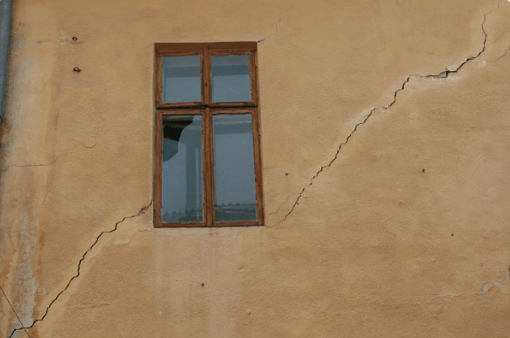
Crack filling is not a minor preparatory activity. It is the single most important determinant of how long a paint system will last. In many societies, cracks are quickly patched with putty, covered with thick coats of paint, or ignored entirely to save time. This is why freshly painted buildings often develop visible cracks within months.
A proper crack-treatment process involves identifying the nature of cracks (shrinkage, settlement, structural), opening and cleaning cracks where required, using appropriate fillers, sealants, or mesh systems, and allowing adequate curing time before further coats. This stage requires time, supervision, and technical understanding. Cutting corners here almost guarantees failure later. Committees should remember: paint does not hide cracks-it only highlights them over time.
Stage 4: Application discipline – coats, dilution, and sequencing
Even with perfect preparation, painting can fail if application discipline is weak. Common on-site issues include incorrect dilution ratios to save material, fewer coats than specified, inadequate drying time between coats, and mixing systems from different manufacturers. These shortcuts are difficult for committee members to detect visually but have a significant impact on durability and finish.
A successful application stage requires strict adherence to manufacturer-recommended systems, defined coat sequencing (primer, base coat, finish coat), monitoring of weather conditions and humidity, and on-site supervision and quality checks. This is where execution oversight matters most. Paint is not just applied—it is engineered in layers.

Stage 5: Structured handover and accountability
The final stage is often treated as a formality, but it is essential for long-term protection. A proper handover includes completion certification, area-wise work confirmation, manufacturer warranty documentation, and maintenance guidelines for residents and staff. Without documented closure, societies struggle to enforce warranties or hold vendors accountable if failures appear later. This stage protects not just the building-but also the Managing Committee.
Why most painting projects fail despite good intentions
Most committees are not negligent. They are constrained by limited technical bandwidth, changing committee members every year, vendor-driven decision-making, and pressure to minimize upfront costs. As buildings age and material costs rise, these limitations become more risky. Painting is no longer a cosmetic expense-it is a capital preservation decision.
Where structured execution support makes the difference
This is where platforms like BlockPilot play a critical role-not by replacing committees or contractors, but by strengthening the decision and execution framework. BlockPilot supports societies across the entire painting lifecycle by structuring pre-work assessments and scope clarity, standardizing measurements and bid parameters, tracking preparation, application, and closure stages, creating transparent documentation for committees and members, and reducing dependence on informal, vendor-led processes. The objective is simple: help societies make better decisions and execute them correctly. When execution is structured, outcomes improve—and trust follows.
A final word to Managing Committees
Repainting your building is not a one-line agenda item. It is a multi-year asset decision that affects safety, appearance, and financial planning. The question is not: Which color should we choose? The real question is: Have we followed the right process?
Societies that respect these five stages spend wisely, repaint less frequently, and face fewer conflicts. Those that don’t often pay twice-once in money, and once in credibility. Good governance shows not in how quickly decisions are taken, but in how well they stand the test of time. BlockPilot exists to support that kind of governance-quietly, transparently, and with execution discipline.