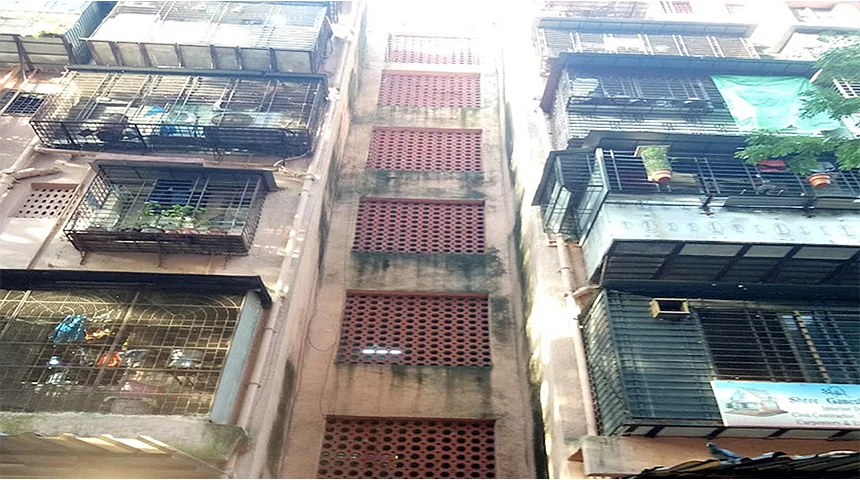
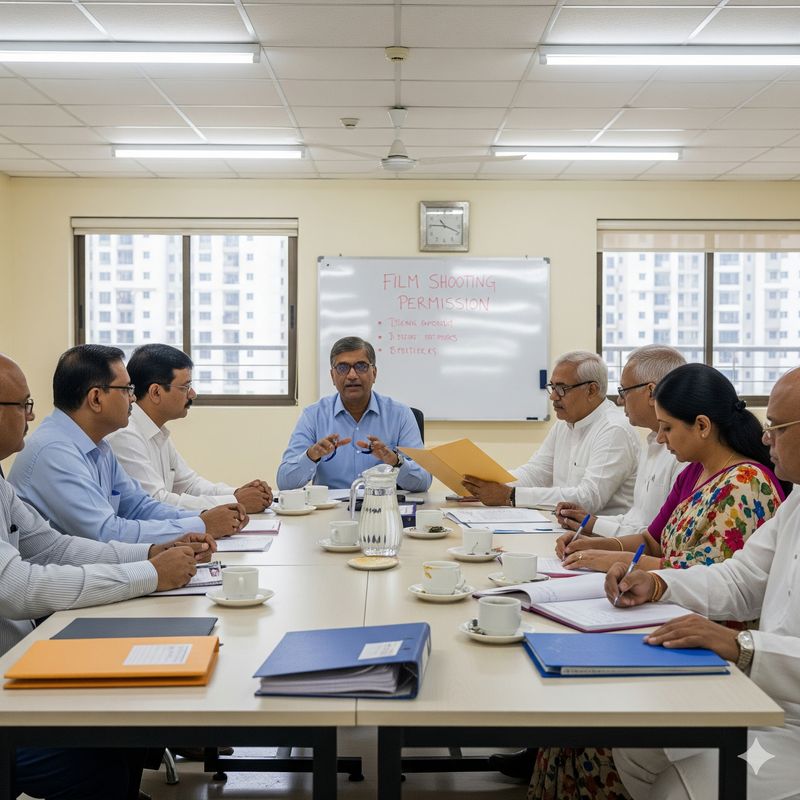
Walk into any ageing housing society, and the complaints sound familiar. The leakage has returned. The wall was repaired just two years ago. Members ask why money is being spent again on the same issue. Most Managing Committees assume the problem lies in rising costs, poor vendors, or simple bad luck. In reality, the issue is structural. Most societies spend heavily on cosmetic maintenance while underinvesting in preventive maintenance. The result is repeat repairs, frustrated members, budget shocks, and steadily declining asset health.
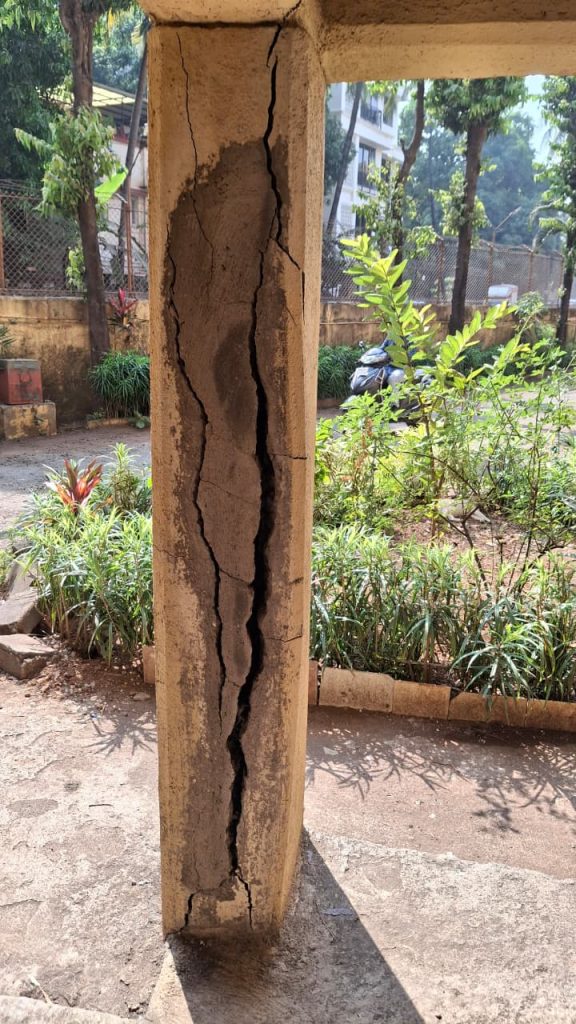
Understanding the difference between cosmetic and preventive maintenance is critical, especially for older urban buildings. Without this clarity, committees keep treating symptoms while the real problem continues to grow beneath the surface.
What Is Cosmetic Maintenance
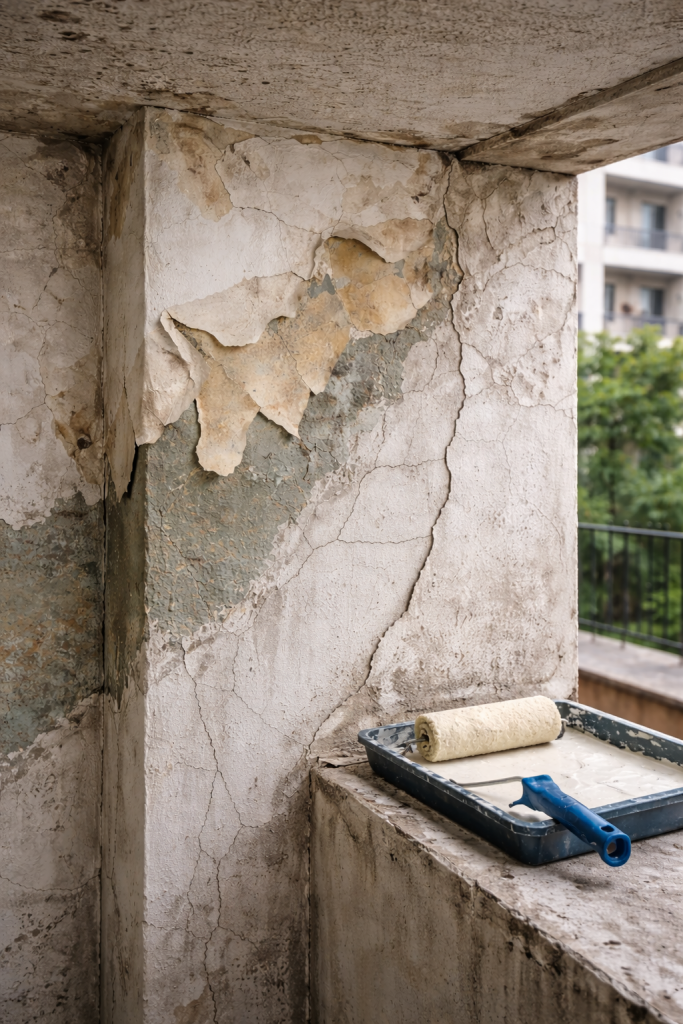
Cosmetic maintenance focuses on how a building looks rather than how it performs. Common examples include repainting damp or cracked walls without treating the underlying cause, replacing ceiling plaster after leakage without fixing the source, retiling toilets while ignoring ageing plumbing lines, and patching waterproofing limited only to visible problem areas. Cosmetic work is visually satisfying. It is quicker to execute, easier to explain to members, and usually cheaper at first glance. This is why committees default to it, particularly when under pressure to act quickly. However, cosmetic maintenance treats symptoms, not causes. It hides deterioration instead of stopping it.
What Is Preventive Maintenance
Preventive maintenance focuses on why a problem exists and how to stop it from recurring. It begins with diagnosing root causes, whether structural, plumbing, waterproofing, or electrical. It addresses hidden deterioration before it becomes visible damage. It plans repairs based on asset life rather than complaints. It accepts slightly higher spending today to avoid repeated spending tomorrow. Examples include terrace waterproofing with proper slope correction and detailing, replacing ageing vertical plumbing stacks instead of repeating internal repairs, structural repairs based on audit findings rather than surface cracks, and upgrading electrical panels before breakdowns occur. Preventive maintenance is less visible, but its value compounds over time.
Why Housing Societies Prefer Cosmetic Maintenance
Despite its limitations, cosmetic maintenance dominates Indian housing societies for several reasons. Managing Committees usually change every one or two years. Preventive work shows results over many years, while cosmetic work delivers visible results within weeks. Committees often prioritise what is visible during their tenure rather than what remains effective afterwards. Budget pressure also plays a role. Preventive maintenance typically costs more upfront. Explaining a large-scale terrace waterproofing plan is more difficult than approving smaller patch repairs, even if those repairs recur every monsoon. Committees fear member resistance, even when long-term costs are clearly lower. Lack of technical guidance is another factor. Most committees do not include engineers or facility professionals. Without structured advice, they rely on contractor suggestions, past practices, or the belief that this is how it was done last time. Vendors often propose solutions that generate repeat work rather than permanently solving the problem. Decision-making is also fragmented. Painting, plumbing, and waterproofing are handled as separate issues instead of parts of a single building system. This leads to disconnected decisions and recurring damage.
The Real Cost of Cosmetic Maintenance
Cosmetic maintenance feels economical, but over time, it is often the most expensive approach. A common pattern includes annual leakage repairs, frequent replastering and repainting, rising resident complaints, and emergency work during monsoons. Over several years, societies often spend more than the cost of a one-time preventive solution without ever resolving the issue. Repeated cosmetic repairs conceal deeper structural deterioration. They reduce resale and redevelopment value, increase safety risks, and erode member trust in the Managing Committee.
Preventive Maintenance Requires a Different Mindset
Preventive maintenance is not about doing everything at once. It is about doing the right things in the right order. Well-run societies diagnose before deciding. They prioritise building health over appearance. They separate capital repairs from routine maintenance. They plan across multiple years rather than a single AGM cycle. They align technical advice with financial planning. Many societies struggle here not because of intent, but because of lack of structured support.
How BlockPilot Sees the Preventive vs Cosmetic Divide
At BlockPilot, we observe that societies do not fail because they ignore maintenance. They fail because they repair without a strategy. Cosmetic maintenance dominates when decisions are reactive, technical inputs are fragmented, cost comparisons focus only on upfront numbers, and execution lacks continuity. Preventive maintenance succeeds when root causes are clearly identified, options are evaluated on lifecycle cost rather than price alone, execution is planned and tracked, and committees maintain visibility across civil, plumbing, MEP, and structural aspects. Our role is to help societies make informed decisions and execute them correctly across legal, technical, and operational dimensions.
Making the Shift: Practical Steps for Committees

Societies do not need perfection. They need structure. A practical starting point is to list recurring issues from the last five years and identify symptoms versus root causes. Independent technical assessments should be sought where required. One-time preventive costs should be compared against repeated cosmetic spending. Work can be phased if budgets are constrained, without diluting scope. Clear communication with members using long-term data is essential. Preventive maintenance is not about spending more. It is about spending once wisely..
Final Thought
Buildings do not deteriorate suddenly. They deteriorate quietly when early warning signs are covered up instead of addressed. Cosmetic maintenance makes buildings look better. Preventive maintenance makes them last longer. Societies that understand this distinction spend less over time, face fewer emergencies, preserve asset value, reduce internal conflict, and approach redevelopment from a position of strength. The shift from appearance-driven repairs to health-driven maintenance is where responsible urban housing management truly begins, and where better decisions supported by structured execution make all the difference.