
Redevelopment is more than selecting a developer. Discover why accurate records, organised documentation, and reliable society data are essential for a successful housing society redevelopment project.
Why is data important before housing society redevelopment?
Accurate society data forms the foundation of every redevelopment project. Property records, member information, building documents, financial records, approvals, and asset details help prevent disputes, delays, incorrect calculations, and costly legal complications during redevelopment.
For many housing societies, redevelopment represents a once-in-a-generation opportunity. It promises larger homes, modern amenities, improved infrastructure, enhanced safety, and increased property values. Naturally, much of the discussion revolves around selecting the right developer, negotiating commercial terms, understanding legal agreements, and obtaining member approvals. While these decisions are important, they often overshadow a more fundamental requirement. Redevelopment cannot succeed without reliable data. Long before architects prepare plans or developers submit proposals, societies need accurate information about their buildings, members, approvals, finances, assets, and historical records. Unfortunately, many societies discover gaps in this information only after the redevelopment process has already begun. Redevelopment is not delayed only by legal issues or disagreements. It is often delayed because societies do not have the information required to make informed decisions.

1. Redevelopment Starts Long Before the First Developer Is Appointed
Many committees believe redevelopment begins when consultants are appointed or developers are invited to submit offers. In reality, redevelopment begins with understanding the society itself. Basic questions often reveal unexpected challenges. How many members are eligible? Are all flat areas accurately recorded? Are share certificates updated? Are conveyance documents complete? Has every alteration been documented? Are old building approvals available? Are property tax records accurate? Without reliable answers, every subsequent decision becomes more difficult. Redevelopment is built on information, not assumptions.

2. Scattered Records Become Major Roadblocks
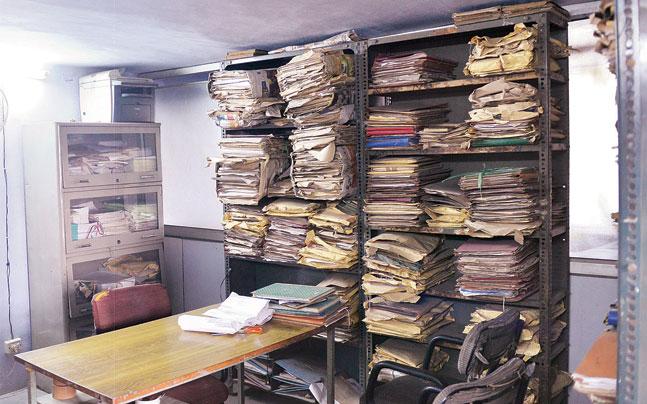
Over the years, housing societies accumulate thousands of documents. Share certificates, member applications, AGM minutes, audit reports, structural audits, occupation certificates, sanctioned plans, correspondence, maintenance records, vendor contracts, insurance policies, and financial statements are often stored across cupboards, computers, email accounts, and personal devices of committee members. During normal operations, this fragmented system may appear manageable. During redevelopment, however, every missing document can result in delays, repeated verification, professional fees, and unnecessary disputes. The challenge is rarely that information does not exist. The challenge is that no one knows where everything is or whether the latest version is available.
3. Poor Data Leads to Poor Decisions
Redevelopment involves numerous financial, technical, and legal decisions. Carpet areas influence entitlement calculations. Financial statements affect negotiations. Structural reports influence project timelines. Property tax records, utility connections, and statutory approvals all play important roles throughout the process. If the underlying data is inaccurate, every decision based on that data becomes questionable. For example, incorrect flat area records may create disagreements among members. Missing approval drawings may delay permissions. Incomplete maintenance records may make it difficult to establish historical liabilities. Even minor inconsistencies can consume months of discussion before the redevelopment process can move forward. Better decisions require better information.
4. Redevelopment Is Also a Knowledge Management Challenge
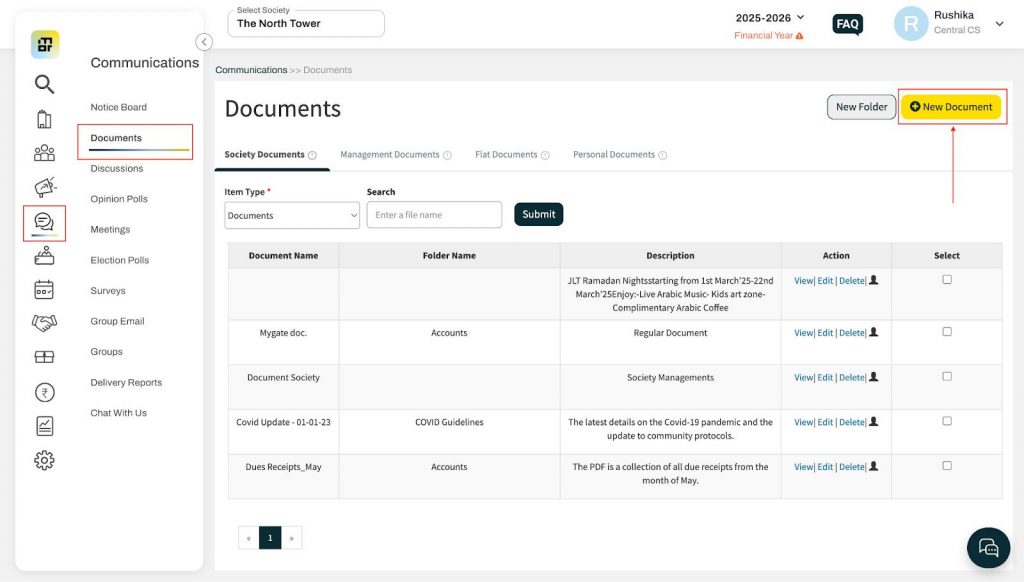
Redevelopment projects often extend over several years. During that period, committee members change, consultants may change, and new office bearers take charge. If project information exists only in emails or individual laptops, valuable knowledge disappears with every leadership transition. Societies should maintain a central repository containing redevelopment documents, consultant reports, legal opinions, meeting resolutions, member communications, developer submissions, financial comparisons, approval status, and project milestones. When information is organised and accessible, every stakeholder works from the same version of the truth. This reduces misunderstandings, improves transparency, and strengthens governance throughout the redevelopment journey.
5. Data Readiness Creates Redevelopment Readiness
Successful redevelopment begins long before the first tender is issued. It begins by preparing the society’s information. Before initiating redevelopment, every committee should ensure that member records, share certificates, building plans, conveyance documents, occupation certificates, financial statements, asset registers, property tax records, insurance documents, maintenance history, statutory approvals, and previous audit reports are complete, accurate, and easily accessible. Equally important is digitising these records and maintaining them in a structured format rather than relying solely on physical files. A centralised digital repository allows committees, consultants, auditors, architects, and legal professionals to access verified information whenever required. Societies that invest time in organising their data spend less time resolving avoidable disputes during redevelopment.
Conclusion
Redevelopment is often viewed as a construction project, but it is equally a governance and information management project. Buildings may be redeveloped once in fifty years, yet the decisions made during that process affect generations of residents. Choosing the right developer is important, but choosing to begin with accurate, organised, and reliable society data is even more important. Without trustworthy information, redevelopment becomes slower, more expensive, and more vulnerable to disputes. The strongest redevelopment projects are not simply backed by experienced consultants or reputed developers. They are built on complete records, transparent documentation, and informed decision-making. In redevelopment, concrete builds the new building. Data builds confidence.
#HousingSocietyManagement #Redevelopment #SocietyGovernance #DigitalDocumentation #BlockPilot