
Does housing society insurance cover all types of losses?
No. Housing society insurance protects against many risks such as fire, storms, and accidental damage, but it does not cover every loss. Poor maintenance, policy exclusions, underinsurance, and inadequate documentation can leave housing societies financially exposed.
Many housing society committees purchase insurance believing it is a complete financial safety net. Once the premium is paid, the policy is renewed every year and filed away with other important documents. The common assumption is that if a fire, flood, accident, or any major incident occurs, the insurance company will cover every financial loss.
The reality is often very different.
Insurance is one of the most valuable risk management tools available to a housing society, but it is not a replacement for preventive maintenance, compliance, documentation, or good governance. Many societies only discover the limitations of their insurance policy after a claim is rejected or the settlement amount is far lower than expected. Understanding insurance is not about buying a policy. It is about knowing what your society is actually protected against.

1. Insurance Is Meant to Reduce Risk, Not Eliminate It
Many committees believe that purchasing comprehensive insurance means every future loss is covered. However, every insurance policy has defined coverage, exclusions, limits, deductibles, and conditions that determine whether a claim will be accepted. For example, damage caused by fire or natural calamities may be covered, while gradual deterioration, ageing infrastructure, poor workmanship, or lack of maintenance may not. Assuming that insurance covers every situation can create a false sense of security and lead to poor financial planning. Insurance should therefore be viewed as one layer of protection within the society’s overall risk management strategy, not as a guarantee against every possible loss.
2. Underinsurance Is a Hidden Financial Risk
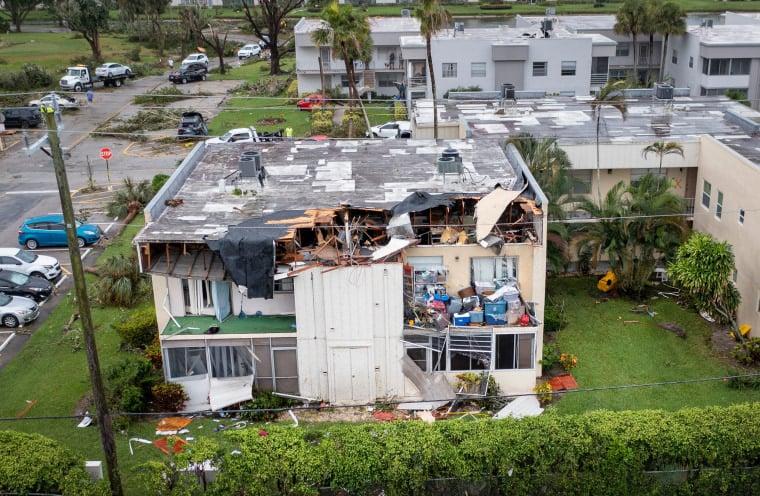
Many housing societies renew the same insurance policy year after year without reviewing whether the insured value still reflects the building’s actual replacement cost. Rising construction costs, inflation, labour charges, and new common assets gradually increase the financial value of the property, while the insurance coverage often remains unchanged. This gap becomes visible only after a major incident. A society may discover that although the building was insured, the compensation received is insufficient to rebuild or restore damaged infrastructure because the property was significantly underinsured. Just as committees periodically review budgets, reserve funds, and society accounting records, insurance coverage should also be reviewed regularly to ensure it reflects current realities rather than historical valuations.
3. Good Maintenance Still Determines Insurance Outcomes
One of the biggest misconceptions is that insurance replaces preventive maintenance. In reality, insurers expect buildings to be reasonably maintained. Neglected waterproofing, corroded pipelines, faulty electrical systems, damaged fire protection equipment, or years of ignored structural issues may complicate claim settlements. Preventive maintenance reduces the likelihood of major losses while insurance helps manage the financial impact of unforeseen events. Both work together, not independently. Many societies already invest time in avoiding housing society accounting mistakes, maintaining compliance records, and reducing audit issues. Infrastructure deserves the same systematic attention because maintenance failures often become insurance disputes before they become repair projects.
4. Documentation Is Often the Difference Between a Smooth Claim and a Delayed One
When an incident occurs, insurers typically request supporting records before processing a claim. Maintenance history, inspection reports, repair estimates, invoices, photographs, policy documents, asset details, and statutory reports all help establish the circumstances surrounding the loss. Societies with organised documentation usually experience a smoother claims process than those relying on scattered files, personal emails, or incomplete records. Delays often occur not because insurance is unavailable, but because the required information cannot be produced quickly. This highlights an important governance lesson. The same discipline that helps societies maintain transparent accounts, vendor records, and committee documents also strengthens their insurance preparedness.

5. Insurance Reviews Should Become Part of Good Governance
Insurance renewal should never become a routine administrative exercise. Every renewal presents an opportunity to reassess the society’s risks, building value, common assets, liability exposure, and plans. Committees should ask whether the building’s replacement value has changed, whether new facilities have been added, whether redevelopment or major renovations could affect coverage, and whether the policy still meets the society’s present needs. Seeking advice from a qualified insurance professional can help identify gaps before they become expensive surprises. Strong governance is not about reacting after a loss occurs. It is about preparing for risks before they become financial liabilities.
Conclusion
Insurance provides financial protection, but it cannot compensate for weak maintenance practices, outdated valuations, incomplete documentation, or poor governance. Housing societies that treat insurance as part of a broader risk management strategy are far better prepared to recover from unexpected events. The safest societies are not necessarily those with the largest insurance policies. They are the ones that regularly review their risks, maintain their infrastructure, organise their records, and make informed decisions long before a claim is ever required.
#HousingSocietyInsurance #RiskManagement #BlockPilot